
Natural Ways to Reduce Stress
Natural Ways to Reduce Stress have become more important than ever as modern life continues to bring constant pressure, tight schedules, and digital overload. Instead of relying only on quick fixes, many people are turning toward holistic approaches that bring long-term peace of mind. Stress, if left unchecked, can affect not only mental health but also physical well-being, making it vital to explore gentle yet effective solutions. The beauty of these approaches is that they do not require expensive tools or complicated steps—they are rooted in simple practices that can be part of everyday living.
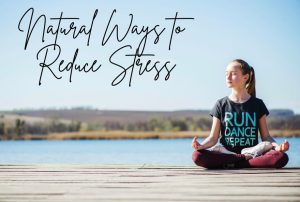
The growing demand for stress relief has encouraged people to look beyond synthetic options and embrace relaxation techniques that are safe, accessible, and sustainable. From mindfulness practices to herbal remedies, there are countless ways to manage emotional challenges without overwhelming your body. These methods do more than reduce anxiety—they build resilience, improve sleep, and restore emotional balance. By understanding the root of stress and adopting healthy lifestyle habits, anyone can gradually replace tension with clarity.
In this guide, we’ll explore proven coping strategies that not only calm the mind but also strengthen the body. You’ll discover why small rituals like breathing exercises, spending time in nature, or practicing self-care can create powerful changes. Whether you are dealing with work deadlines, personal struggles, or everyday worries, these natural ways to reduce stress will help you reclaim a sense of mental clarity and stability.
Mindfulness Practices for Daily Calm
One of the most effective natural ways to reduce stress is incorporating mindfulness practices. Techniques like meditation, yoga, or simply paying attention to your breathing help anchor your thoughts in the present moment. Studies show that people who engage in mindful living experience lower levels of anxiety and enjoy greater focus. By observing thoughts without judgment, you create space for emotional balance and reduce overthinking.
The Power of Breathing Exercises
When stress builds up, your body often responds with shallow, rapid breathing. Practicing breathing exercises such as diaphragmatic breathing or the 4-7-8 method activates the body’s relaxation response. These exercises promote oxygen flow, lower heart rate, and improve mental clarity. Just a few minutes a day of focused breathing can serve as a reset button for both mind and body.
Herbal Remedies and Natural Aids
Another gentle method is using herbal remedies known for their calming effects. Chamomile tea, lavender oil, and ashwagandha are widely used for their soothing properties. Unlike artificial supplements, these natural options work in harmony with the body to promote stress relief. Adding them to your daily routine supports relaxation techniques without harmful side effects.
Movement and Physical Activity
Exercise is one of the best coping strategies for stress. Activities like walking, jogging, or stretching help release endorphins—the body’s natural mood boosters. Even simple healthy lifestyle habits such as taking stairs, gardening, or dancing at home can elevate mood. Movement reduces built-up tension, improves circulation, and contributes to better sleep.

The Role of Nutrition
What you eat directly affects your ability to handle stress. Diets rich in whole foods, fruits, and omega-3 fatty acids help stabilize mood and energy. Avoiding excess caffeine and sugar prevents mood swings and irritability. A balanced diet is an overlooked but essential step in natural ways to reduce stress, as it provides the body with tools to maintain emotional balance.
Relaxation Techniques for Everyday Life
Simple relaxation techniques like progressive muscle relaxation or listening to soothing music can ease physical tension. Incorporating short breaks throughout the day where you stretch or close your eyes can significantly improve stress relief. By practicing these small rituals consistently, your nervous system gradually adapts to remain calmer even in difficult situations.
Nature and Outdoor Therapy
Spending time in green spaces is scientifically proven to improve mental clarity. Whether it’s a morning walk, gardening, or hiking, connecting with nature reduces cortisol levels and promotes happiness. This method combines both self-care and physical well-being, making it one of the simplest natural ways to reduce stress.
Sleep and Restorative Routines
Quality sleep is often ignored but plays a central role in handling stress. Practicing healthy lifestyle habits like limiting screen time before bed, keeping a consistent sleep schedule, and creating a calming bedtime ritual improves rest. Restorative sleep allows the body to reset, strengthening its ability to cope with daily pressures.

Self-Care Rituals for Balance
Another cornerstone of natural ways to reduce stress is prioritizing self-care. This can include journaling, creative hobbies, or simply taking time to disconnect from technology. Self-care doesn’t need to be extravagant—it’s about small actions that nurture both body and soul. Making yourself a priority ensures long-term emotional balance and resilience.
Building Social Connections
Humans are wired for connection, and strong relationships are essential for stress management. Sharing your feelings with trusted friends or joining supportive groups provides a sense of belonging. These coping strategies help reduce loneliness, which is often linked with heightened anxiety. A solid support system is a natural, powerful way to reduce stress.
Final Thoughts
In conclusion, embracing natural ways to reduce stress is not just about temporary relief—it’s about building a lifestyle that supports inner peace and resilience. From mindfulness practices and breathing exercises to herbal remedies and healthy lifestyle habits, each method empowers you to manage life’s challenges with greater strength. Instead of suppressing emotions, these techniques encourage awareness, acceptance, and balance.
As 2025 continues to bring fast-paced demands, it is important to pause and prioritize self-care. Practicing relaxation techniques, spending time in nature, and maintaining nourishing routines all contribute to lasting well-being. More importantly, these approaches are flexible—they can be adjusted to fit any personality, schedule, or environment.

Remember, stress will always be a part of life, but it does not have to control you. By integrating simple coping strategies, you create space for healing and mental clarity. Whether through small daily rituals or deeper lifestyle changes, these methods lead to profound results over time.
The journey to balance is personal, but the message is universal: adopting natural ways to reduce stress helps you not only feel calmer in the moment but also build a foundation of strength for the future. In the end, true wellness is about harmony—between body, mind, and environment—and these practices offer exactly that.